· Prismiq Pro · Insights · 4 min read
What YouTube Actually Measures (It Is Not CTR)
How much does your thumbnail actually decide? At VidCon this year, one of the best-known growth strategists in the creator economy and the person who runs YouTube’s recommendation system gave two very different answers to that same question. We sat in both rooms. By the end of this, you will know which number to stop chasing.
The thumbnail-first thesis everyone builds on
The click is where most of us start. Get the thumbnail right, earn the impression, and the rest follows. With more videos competing for every impression than ever, that feels truer every year, so we pour our effort into packaging and watch the click-through rate like a scoreboard.
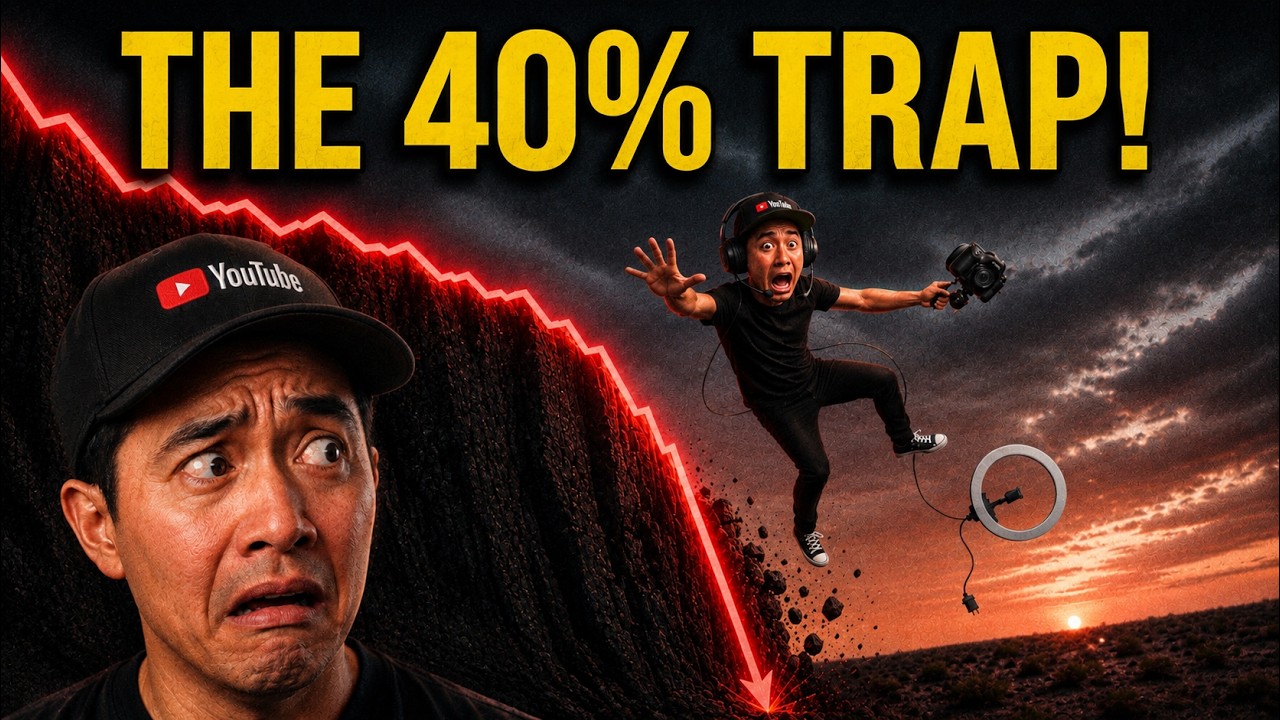
What YouTube actually measures: a sub-10% CTR is normal
Then Todd Beaupré, who leads YouTube’s recommendation system, put a number on that click. His point: a click-through rate under 10% is normal, expected behavior, not a red flag. If nine out of ten impressions do not convert, even among the people who chose to subscribe to you, then the click cannot be the whole story.
That reframes CTR entirely. It is the price of entry, not the prize. So if the click is not the thing the system is judging, what is?
The real metric: was it worth the viewer’s time
That question has outlived every version of the algorithm. Clicks, watch time, likes, surveys: to YouTube these are all evidence for a single judgment. Did the viewer feel the video was worth their time? Every signal is just a different way of measuring that one thing.
The thumbnail-first camp agrees more than you would expect
Here is the twist. The packaging-first crowd is not actually on the other side. Houston Matter spent his session teaching creators to design the thumbnail before the script. Same conference, same hour, seemingly the opposite advice. But the two stages were not really arguing.
The resolution: mind the promise gap
Packaging earns the first look, and nobody skips that audition. Your thumbnail still has to win the click. But what happens after the click is what the system is actually measuring, and it is the part of your dashboard that is hardest to see.
The gap that decides everything is between the promise your title and thumbnail make and what your first 30 seconds actually deliver. Close that gap and the click becomes a watch. Leave it open and no thumbnail in the world saves you.
How Prismiq helps you close the promise gap
That gap is exactly what Prismiq Pulse reads. No algorithm secrets, just your video the way a stranger meets it: does the first 30 seconds keep the promise your packaging made? Paste a video and Pulse checks your title, thumbnail, and hook, then hands you the exact fixes, three titles, and three thumbnail concepts to test. Run your first Pulse free.
Every week we take one thing creators repeat and put it against the evidence, receipts on screen every time. Subscribe on our YouTube channel so you catch the next one.
Key takeaways
A sub-10% click-through rate is normal. YouTube’s recommendation lead calls it expected behavior, not a red flag. Most impressions never convert, even from your own subscribers.
CTR is the price of entry, not the prize. The click gets you in the room. It is not the thing the system is judging.
Every signal measures one question. Clicks, watch time, likes, and surveys are all evidence for a single judgment: did the viewer feel the video was worth their time.
Packaging-first and retention-first are the same advice. Designing the thumbnail early and obsessing over the first 30 seconds both serve one goal. They are two halves of the same job, not opposing camps.
The promise gap decides the outcome. The distance between what your title and thumbnail promise and what your opening delivers is what gets measured after the click. Close it and the click becomes a watch.